The Misfit Who Saw the Future
Born in 1955 and adopted shortly after, Steven Paul Jobs was never a conventional student. He dropped out of Reed College because he refused to spend his working-class parents' savings on an education that felt meaningless to him. Yet, he did not stop learning; he audited classes that truly intrigued him, such as calligraphy. This seemingly impractical choice later became the crucial foundation for the beautiful typography found in the first Macintosh computer. Jobs's early years teach us a profound lesson: genuine curiosity and intuition are often the most reliable compasses in life.
Sinh năm 1955 và được nhận nuôi ngay sau đó, Steven Paul Jobs chưa bao giờ là một học sinh truyền thống. Ông bỏ học tại Đại học Reed vì không muốn lãng phí tiền tiết kiệm của cha mẹ nuôi vào một nền giáo dục mà ông thấy vô nghĩa. Tuy nhiên, ông không ngừng học hỏi; ông dự thính những lớp học thực sự thu hút mình, chẳng hạn như lớp thư pháp. Lựa chọn tưởng chừng thiếu thực tế này sau đó đã trở thành nền tảng quan trọng cho những phông chữ tuyệt đẹp trên chiếc máy tính Macintosh đầu tiên. Những năm tháng tuổi trẻ của Jobs mang đến một bài học sâu sắc: sự tò mò chân thuần và trực giác thường là những chiếc la bàn đáng tin cậy nhất trong cuộc đời.
"You can't connect the dots looking forward; you can only connect them looking backwards. So you have to trust that the dots will somehow connect in your future."
The Garage That Changed the World
In 1976, at the age of 21, Jobs partnered with his brilliant friend Steve Wozniak to start Apple Computer in his parents' modest garage. While Wozniak was the undeniable engineering genius, Jobs was the visionary who understood exactly how to make technology accessible and appealing to the masses. Together, they introduced the Apple II, which successfully sparked the personal computer revolution, and later the groundbreaking Macintosh in 1984. Jobs did not just sell electronics; he sold an empowering vision of enhancing human potential through elegant, user-friendly tools.
Năm 1976, ở tuổi 21, Jobs hợp tác cùng người bạn tài năng Steve Wozniak để thành lập Apple Computer trong nhà để xe nhỏ bé của cha mẹ mình. Nếu Wozniak là một thiên tài kỹ thuật không thể chối cãi, thì Jobs là người có tầm nhìn xa, hiểu chính xác cách làm cho công nghệ trở nên dễ tiếp cận và hấp dẫn với đại chúng. Cùng nhau, họ ra mắt Apple II, châm ngòi thành công cho cuộc cách mạng máy tính cá nhân, và sau đó là chiếc Macintosh đột phá vào năm 1984. Jobs không chỉ bán đồ điện tử; ông bán một tầm nhìn trao quyền nhằm nâng tầm tiềm năng con người thông qua những công cụ tinh tế và thân thiện với người dùng.
Exile and the Wilderness Years
Success, however, bred inevitable conflict. In 1985, following a brutal power struggle with Apple's board of directors, Jobs was abruptly fired from the very company he had founded. Many would have been completely crushed by such a devastating public defeat, but Jobs channeled his heartbreak into renewed creativity. He founded NeXT, a pioneering computer platform, and acquired Pixar Animation Studios. Under his dynamic leadership, Pixar created 'Toy Story', the world's first computer-animated feature film, fundamentally transforming the entertainment industry forever. This period of exile proved to be his most transformative phase.
Tuy nhiên, thành công lại nảy sinh những xung đột tất yếu. Năm 1985, sau một cuộc đấu tranh quyền lực khốc liệt với ban giám đốc Apple, Jobs bất ngờ bị sa thải khỏi chính công ty ông đã sáng lập. Nhiều người hẳn sẽ hoàn toàn sụp đổ trước một thất bại ê chề trước công chúng như vậy, nhưng Jobs đã biến nỗi đau thành sức sáng tạo mới. Ông thành lập NeXT, một nền tảng máy tính tiên phong, và mua lại Xưởng phim hoạt hình Pixar. Dưới sự lãnh đạo năng động của ông, Pixar đã tạo ra 'Câu chuyện Đồ chơi', bộ phim hoạt hình máy tính đầu tiên trên thế giới, làm thay đổi nền tảng ngành công nghiệp giải trí mãi mãi. Khoảng thời gian lưu đày này hóa ra lại là giai đoạn mang tính bước ngoặt nhất của ông.
"The heaviness of being successful was replaced by the lightness of being a beginner again, less sure about everything. It freed me to enter one of the most creative periods of my life."
The Ultimate Renaissance
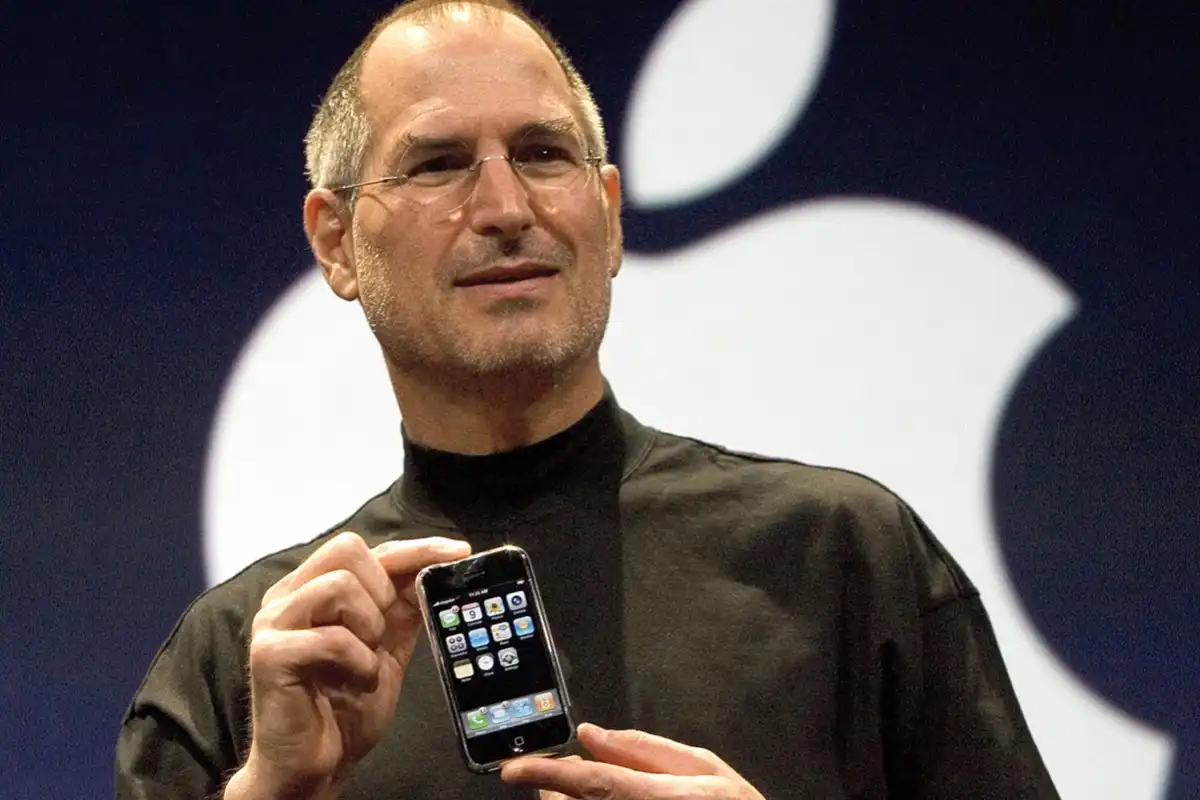
By 1997, Apple was teetering on the verge of bankruptcy. In a historic twist of fate, the company purchased NeXT, bringing Jobs back as CEO to rescue his struggling creation. What followed was arguably the greatest corporate turnaround in modern business history. With a relentless focus on minimalist design and strict perfection, Jobs eliminated failing product lines and orchestrated a series of technological marvels. The introduction of the iMac, iPod, iTunes, iPhone, and iPad redefined entire global industries. His philosophy was simple yet profoundly impactful: constantly seek the magical intersection of technology and the liberal arts.
Đến năm 1997, Apple chao đảo trên bờ vực phá sản. Trong một bước ngoặt lịch sử của số phận, công ty đã mua lại NeXT, đưa Jobs trở lại vị trí CEO để giải cứu đứa con tinh thần đang gặp khó khăn của mình. Những gì diễn ra sau đó được coi là màn xoay chuyển tình thế vĩ đại nhất trong lịch sử kinh doanh hiện đại. Với sự tập trung cao độ vào thiết kế tối giản và sự hoàn hảo khắt khe, Jobs đã loại bỏ các dòng sản phẩm thua lỗ và kiến tạo nên hàng loạt kỳ quan công nghệ. Sự ra đời của iMac, iPod, iTunes, iPhone và iPad đã định nghĩa lại toàn bộ các ngành công nghiệp toàn cầu. Triết lý của ông đơn giản nhưng có sức ảnh hưởng sâu sắc: không ngừng tìm kiếm điểm giao thoa kỳ diệu giữa công nghệ và khoa học nhân văn.
A Lasting Legacy
Even after being diagnosed with a rare form of pancreatic cancer in 2003, Jobs worked tirelessly to invent the future. He famously viewed death not as a tragedy, but as life's greatest change agent. He reminded millions during his iconic 2005 Stanford address that facing mortality is the most effective way to drop all superficial illusions and follow one's true passion. Steve Jobs passed away in 2011, but his defiant spirit lives on in the devices we use daily and in the minds of innovators everywhere. His life remains a powerful testament that those who are crazy enough to think they can change the world are exactly the ones who do.
Ngay cả khi được chẩn đoán mắc một dạng ung thư tuyến tụy hiếm gặp vào năm 2003, Jobs vẫn làm việc không mệt mỏi để kiến tạo tương lai. Ông nổi tiếng với góc nhìn coi cái chết không phải là một bi kịch, mà là tác nhân thay đổi vĩ đại nhất của sự sống. Ông đã nhắc nhở hàng triệu người trong bài phát biểu kinh điển tại Stanford năm 2005 rằng đối mặt với ranh giới sinh tử là cách hiệu quả nhất để rũ bỏ mọi ảo tưởng phù phiếm và theo đuổi đam mê đích thực. Steve Jobs qua đời năm 2011, nhưng tinh thần kiên cường của ông vẫn sống mãi trong những thiết bị chúng ta sử dụng hàng ngày và trong tâm trí của những nhà đổi mới khắp nơi. Cuộc đời ông mãi là một minh chứng mạnh mẽ rằng: những người đủ điên rồ để nghĩ rằng họ có thể thay đổi thế giới, chính là những người sẽ làm được điều đó.
"Your time is limited, so don't waste it living someone else's life. Don't be trapped by dogma—which is living with the results of other people's thinking."